
info-medicalcare@jcmedtj.com

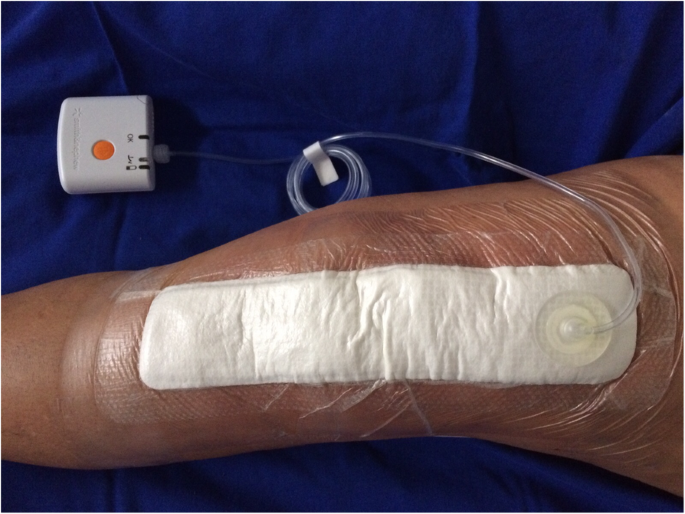
Negative pressure wound therapy (NPWT) is a type of wound care treatment that can be used for wounds on all parts of the body. Parts of NPWT. Special foam padding is placed on or within the wound. A thin clear occlusive dressing seals over the wound.
NPWT dressing:
Negative pressure wound therapy (NPWT) is a method of drawing out fluid and infection from a wound to help it heal. A special dressing (bandage) is sealed over the wound and a gentle vacuum pump is attached.
The Negative pressure wound dressing NPWT Dressing system:
Negative Pressure Wound Therapy is one of many options for patients in the treatment of difficult to heal wounds. Your medical and surgical team will work together with you to heal your current wound and prevent future wounds from occurring. The negative pressure wound therapy dressing is changed every 24 to 72 hours. During the therapy, you'll need to carry the portable pump everywhere you go.
NPWT wound dressing includes foam kit therapy and one-piece silicone foam dressing therapy.


How does it work:
Negative pressure wound therapy (NPWT), also called vacuum-assisted wound closure, refers to wound dressing systems that continuously or intermittently apply subatmospheric pressure to the system, which provides a positive pressure to the surface of a wound. This therapy involves a special dressing (bandage), tubing, a negative pressure device, and canister to collect fluids.
During the treatment, a device decreases air pressure on the wound. This can help the wound heal more quickly.
The gases in the air around us put pressure on the surface of our bodies. A wound vacuum device removes this pressure over the area of the wound. This can help a wound heal in several ways. It can gently pull fluid from the wound over time. This can reduce swelling, and may help clean the wound and remove bacteria. A wound VAC also helps pull the edges of the wound together. And it may stimulate the growth of new tissue that helps the wound close.

Application:
NPWT dressing is used if you have a burn, pressure ulcer, diabetic ulcer, chronic (long-lasting) wound, or injury. This therapy can help your wound heal faster and with fewer infections.
You might need this therapy for a recent traumatic wound. Or you may need it for a chronic wound. This is a wound that is not healing properly over time. This can happen with wounds linked to diabetes. You may need a wound VAC if you’ve had a recent skin graft. And you may need a wound VAC for a large wound. Large wounds can take a longer time to heal.

WhatsApp:


